
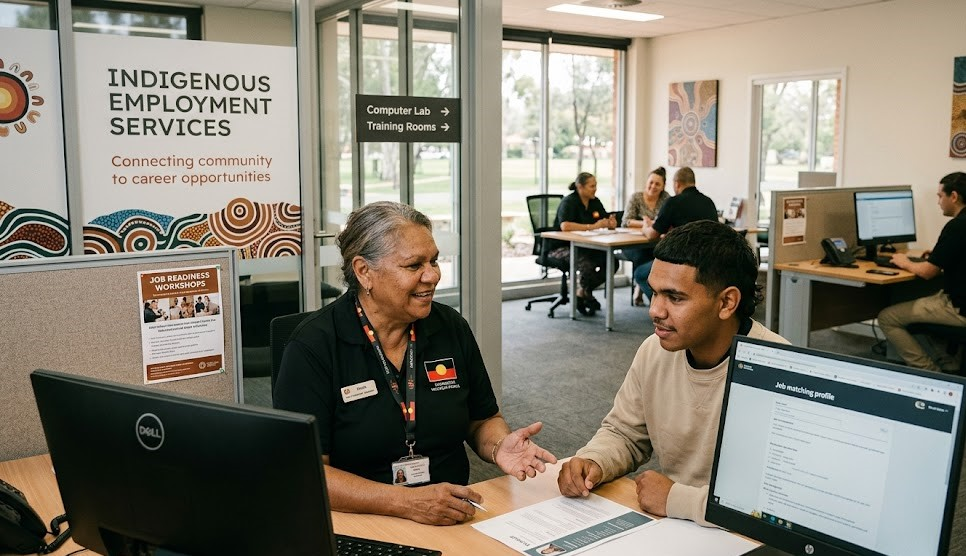
In today’s evolving business environment, the conversation around inclusion has expanded beyond intention and into meaningful action. One area gaining well-deserved attention is indigenous employment, particularly within Australian firms seeking to align their operations with broader social and cultural awareness. This shift is not simply about meeting expectations; it reflects a deeper recognition that businesses operate within communities shaped by history, identity, and shared responsibility. As organizations become more conscious of their societal impact, indigenous employment emerges as both a moral and strategic priority.
Strengthening Cultural Awareness in the Workplace
A workplace that embraces indigenous employment naturally becomes more culturally aware. This awareness fosters understanding, reduces unconscious bias, and builds an environment where diverse perspectives are respected. Employees benefit from exposure to different worldviews, which often leads to more thoughtful decision-making and improved collaboration. Rather than viewing diversity as a checkbox, companies begin to experience it as a dynamic force that enhances workplace culture. Over time, this cultural competency becomes embedded in how teams communicate, solve problems, and engage with one another.
Building Stronger Community Connections
Australian firms do not operate in isolation; they are part of a broader social fabric that includes Indigenous communities with deep-rooted histories. By supporting indigenous employment, companies strengthen their connections to these communities in meaningful ways. This connection goes beyond corporate responsibility; it becomes a relationship built on respect and mutual benefit. Businesses that engage authentically with Indigenous communities often gain valuable insights into local contexts, which can inform more responsible and sustainable business practices. These relationships also help foster trust, an essential factor in long-term success.
Driving Innovation Through Diverse Perspectives
Innovation thrives when different perspectives intersect. Indigenous employment contributes to this by bringing unique experiences and knowledge systems into the workplace. Indigenous employees may approach challenges differently, drawing on cultural values, community-based thinking, or alternative problem-solving methods. These perspectives can inspire new ideas and encourage teams to think beyond conventional frameworks. In a competitive market, this kind of innovation is invaluable, offering firms a fresh lens through which to view opportunities and challenges alike.
Enhancing Corporate Reputation and Accountability
Companies today are increasingly judged not only by their financial performance but also by their social impact. Indigenous employment plays a significant role in shaping how customers, partners, and the wider public perceive organizations. Firms that actively support inclusive employment practices demonstrate accountability and a willingness to contribute positively to society. This, in turn, builds credibility and trust. While reputation should never be the sole motivation, it is undeniable that businesses committed to meaningful inclusion are often viewed more favorably in a socially conscious market.
Supporting Long-Term Economic and Social Outcomes
Beyond individual companies, indigenous employment contributes to broader economic and social progress. Providing meaningful employment opportunities helps address long-standing disparities and supports the financial independence of Indigenous individuals and communities. This creates a ripple effect, as increased economic participation can lead to improved education, health, and overall well-being. For businesses, being part of this positive change adds a deeper sense of purpose to their operations, reinforcing the idea that success is not measured solely by profit.
Learning from Practical Approaches and Experience
For many firms, understanding how to approach indigenous employment can feel complex at first. In my experience, exploring structured guidance, such as Corporate Diversity and DEI Strategy Services for Australian Firms, has helped me navigate this journey. Rather than offering quick fixes, such resources provide context, helping organizations reflect on their practices and identify meaningful steps forward. This kind of support encourages thoughtful implementation, ensuring that efforts are genuine and sustainable rather than superficial.
Moving Forward with Purpose and Commitment
As Australian businesses continue to evolve, indigenous employment will remain an important part of the conversation around responsible growth. It is not a one-time initiative but an ongoing commitment that requires reflection, learning, and adaptation. Companies that approach this with sincerity often discover that the benefits extend far beyond compliance or reputation. They build stronger teams, foster deeper connections, and contribute to a more inclusive future. Ultimately, indigenous employment is not just about creating opportunities; it is about reshaping how businesses understand their role in society today.